When Should I Be Fitted for a Breast Prosthesis After Mastectomy?

If you have recently had a mastectomy, lumpectomy, breast reconstruction, or breast-conserving surgery, you may be wondering: When should I be fitted for a breast prosthesis?
There is no single timeline that works for every person. The right time for a breast prosthesis fitting depends on your surgery, healing, radiation or other treatments, swelling, and your personal comfort level.
For many women, a temporary or lightweight breast prosthesis can be used relatively soon after surgery, while a more permanent silicone breast prosthesis may be appropriate once the surgical area has healed.
When can I be fitted for a breast prosthesis after a mastectomy?
A breast prosthesis fitting can often begin once your surgeon says your incision is healing appropriately and you are comfortable wearing a bra or post-surgical garment.
In the early weeks after surgery, your breast and chest wall may still be swollen, tender, or changing shape. Because of this, many women begin with a lightweight recovery breast form rather than a full-weight silicone prosthesis.
Your surgeon or breast care team can help determine when it is appropriate for you to begin wearing a breast form.
A typical timeline may look like this:
Immediately after surgery
Your priority is healing. Your surgeon may recommend a soft post-surgical bra, compression garment, or drain management camisole depending on your procedure.
During the early healing period
Once your surgeon gives you permission to wear a bra, a lightweight breast form can often provide temporary symmetry without placing unnecessary weight or pressure on the healing chest.
After your incision has healed
You may be ready for a professional fitting for a more permanent breast prosthesis. This may include a silicone breast prosthesis designed to match your natural breast shape, size, and body proportions.
After radiation or other breast cancer treatment
If you are receiving radiation, your chest wall and breast area may continue to change during treatment and for some time afterward. Your fitter may recommend waiting until your tissues have settled before selecting a permanent prosthesis.
Your individual timeline should always be based on your surgeon's recommendations and your comfort.
Do I need to wait until I am completely healed?
Not necessarily.
One common misconception is that you have to wait until you are completely finished with treatment before you can have any type of breast prosthesis.
That is not always the case.
A lightweight recovery breast form may be an option during the healing process. These forms are designed to provide temporary symmetry while your body heals and changes.
A temporary form can be especially helpful if you want to wear your regular clothing again, feel more balanced, or have more confidence while going through treatment.
A permanent silicone prosthesis is usually considered later, once your surgical site has healed and your breast or chest wall has had time to settle.

What if I am having radiation?
Radiation can cause changes in the skin and tissues of the breast or chest wall, including swelling, sensitivity, tightness, and changes in shape.
If you are receiving radiation therapy, your breast prosthesis fitting may need to be timed around your treatment and healing.
Your breast care team can help determine when your tissues are ready for a permanent prosthesis.
In some cases, a temporary lightweight form may be more comfortable during treatment, with a permanent fitting later.
What if I had a lumpectomy instead of a mastectomy?
You do not need to have a mastectomy to benefit from a breast prosthesis.
After a lumpectomy or breast-conserving surgery, you may notice an indentation, loss of volume, or asymmetry between your breasts.
A partial breast prosthesis, sometimes called a partial breast form, can be used to restore volume and create a more balanced appearance.
These forms come in different shapes and sizes and can be worn inside a bra.
If you have noticed a change in breast shape following lumpectomy, ask your breast care team or a certified fitter whether a partial breast prosthesis may be appropriate for you.
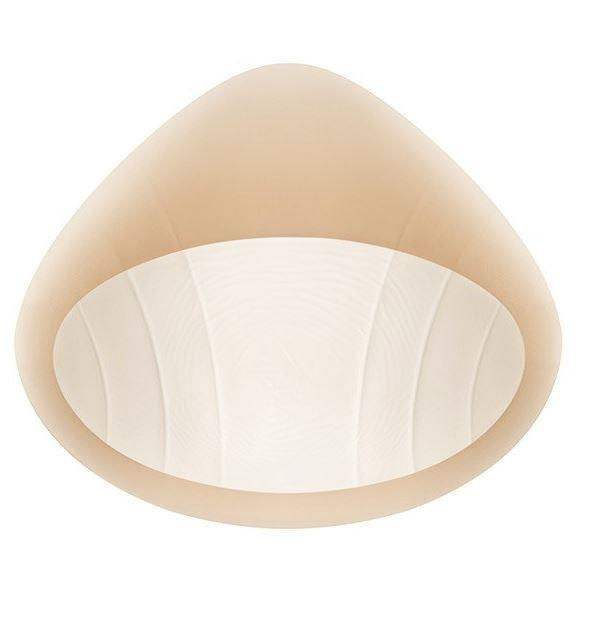
What happens during a breast prosthesis fitting?
A professional fitting is about much more than choosing a breast form from a shelf.
During your appointment, a trained fitter can evaluate:
Your breast or chest wall shape
The size and shape of your remaining breast
Your surgical changes
Your posture and overall body proportions
The type of bra you prefer to wear
Your lifestyle and daily activities
Your comfort level with different prosthesis weights
Whether you need a full or partial breast form
You may try several breast prostheses to compare their shape, weight, projection, and feel.
The goal is to find a prosthesis that feels comfortable and gives you the symmetry and appearance you are looking for.
Why professional fitting matters
Shopping online can make it difficult to know which breast prosthesis is appropriate for your body.
A professional fitter can help you compare different options in person and make sure the prosthesis fits properly inside your bra.
This is particularly important after breast cancer surgery because everyone's anatomy and healing process is different.
A properly fitted breast prosthesis should feel secure and comfortable. You should not feel like you are constantly adjusting it or carrying unnecessary weight.
How often will I need to be fitted?
Your needs may change over time.
Your body can continue to change after surgery, radiation, reconstruction, weight changes, or other treatments. A prosthesis that fit well initially may eventually need to be reassessed.
You may also want a different type of prosthesis depending on your lifestyle.
For example, some women prefer:
A lightweight form for everyday wear
A silicone prosthesis for a more natural weight and feel
A swim form for swimming
A partial breast form for asymmetry after lumpectomy
A specialized form for certain clothing styles
A fitting appointment is an opportunity to discuss what works best for your current needs.
When should I schedule my fitting?
If you have recently had breast surgery, talk with your surgeon about when you can safely begin wearing a breast form or post-surgical bra.
Once you have been cleared for fitting, scheduling an appointment with a professional breast prosthesis fitter can help you understand your options.
You do not necessarily have to wait until you are completely finished with breast cancer treatment to ask about your options.
At Peaks and Valleys Health, we provide private, personalized breast prosthesis fittings in a comfortable setting. We work with women after mastectomy, lumpectomy, reconstruction, and other breast surgeries to help find products that fit their individual needs.
We offer a variety of breast prostheses, including lightweight recovery forms, silicone breast prostheses, partial breast forms, and custom options.
If you are unsure what type of breast prosthesis you need, we can help you understand your options and determine what may be appropriate for your stage of recovery.
Ready to explore your options?
If you have been wondering when you should be fitted for a breast prosthesis after mastectomy, you don't have to figure it out alone.
Talk with your surgeon about your healing and when you can safely begin wearing a breast form, then schedule a professional fitting when you are ready.
Ready to schedule a fitting?
Peaks and Valleys Health offers private, personalized breast prosthesis fittings in Encinitas for women throughout San Diego County.
For questions or to discuss options, feel free to call (760) 642-3033
To book online:


Comments